Glasshouse
An agency brilliant at selling authenticity to clients, and increasingly incapable of being honest with itself.
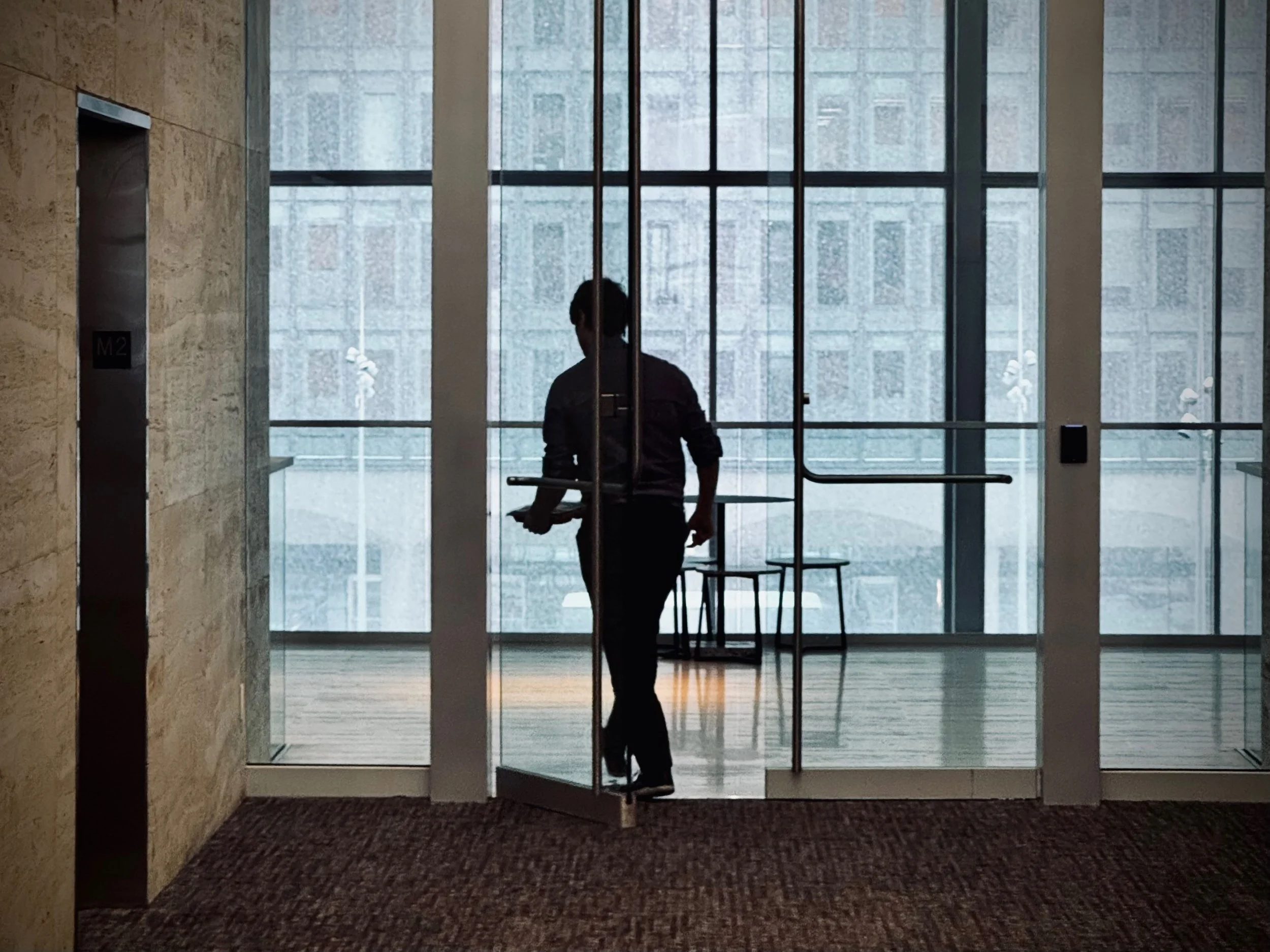
Glasshouse is an original television drama project exploring prestige-series world building, character architecture, and institutional storytelling.
SETTING
A celebrated agency with a fragile structure beneath its mythology.
CONFLICT
Smart people making defensible but destructive choices.
TONE
Controlled, restrained, adult, and quietly dangerous.
STRUCTURE
Seduction, diagnosis, moral break, reinvention.
MOTIFS
Glass, reflection, silence, and polished surfaces.
The Premise
As Aurelion begins to fracture, a rising creative director is drawn into a covert plan to preserve its most valuable clients and talent, forcing him into an ambition he can no longer cleanly justify.
The Concept
Glasshouse examines an industry built on manufactured authenticity, where confidence becomes currency, language becomes leverage, and image protects people from the truth.
Development Pillars
-
![Geometric drawing of an outline square with sections divided by vertical, horizontal, and diagonal lines.]()
World
The agency as a living environment, with its own rituals, hierarchy, language, spaces, and internal contradictions.
-
![Geometric drawing of an outline square with sections divided by vertical, horizontal, and half circle lines.]()
Character
A cast shaped by ambition, self-protection, dependency, status, and the roles they perform to survive the room.
-
![Geometric drawing of an outline square with sections divided by vertical, horizontal, and circle lines.]()
Power
A web of private need, professional intimacy, rivalry, loyalty, and power moving through everyday interactions.
-
![Geometric drawing of an outline square with sections divided by vertical, horizontal, and diagonal lines.]()
Engine
A story driven by escalation, reversal, withheld information, and quiet moments where control begins to fail.
-
![Structural icon image.]()
Myth
The stories Aurelion and Atrium tell about themselves, why people believe them, and how those beliefs become dangerous.





Visual Language
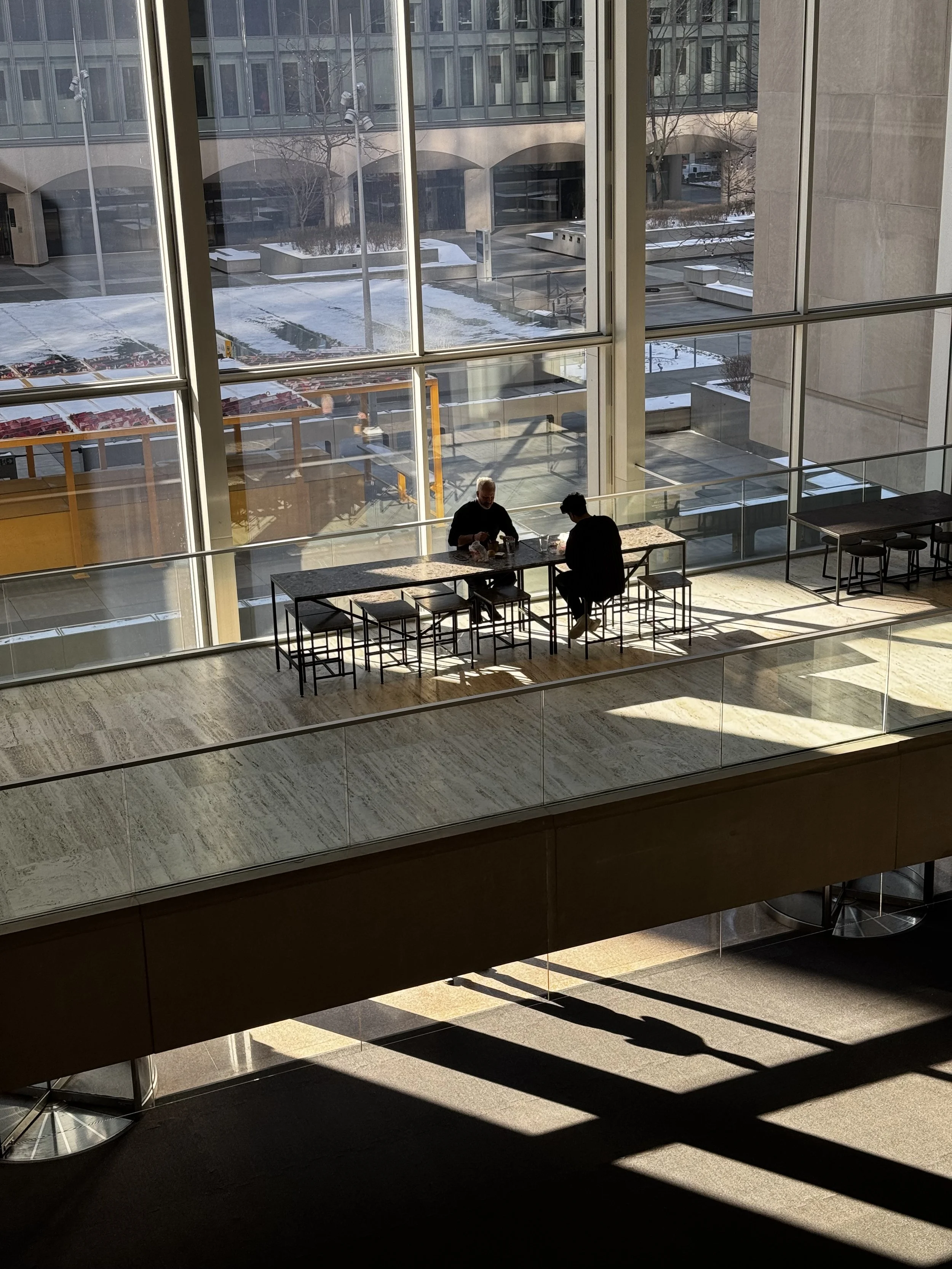
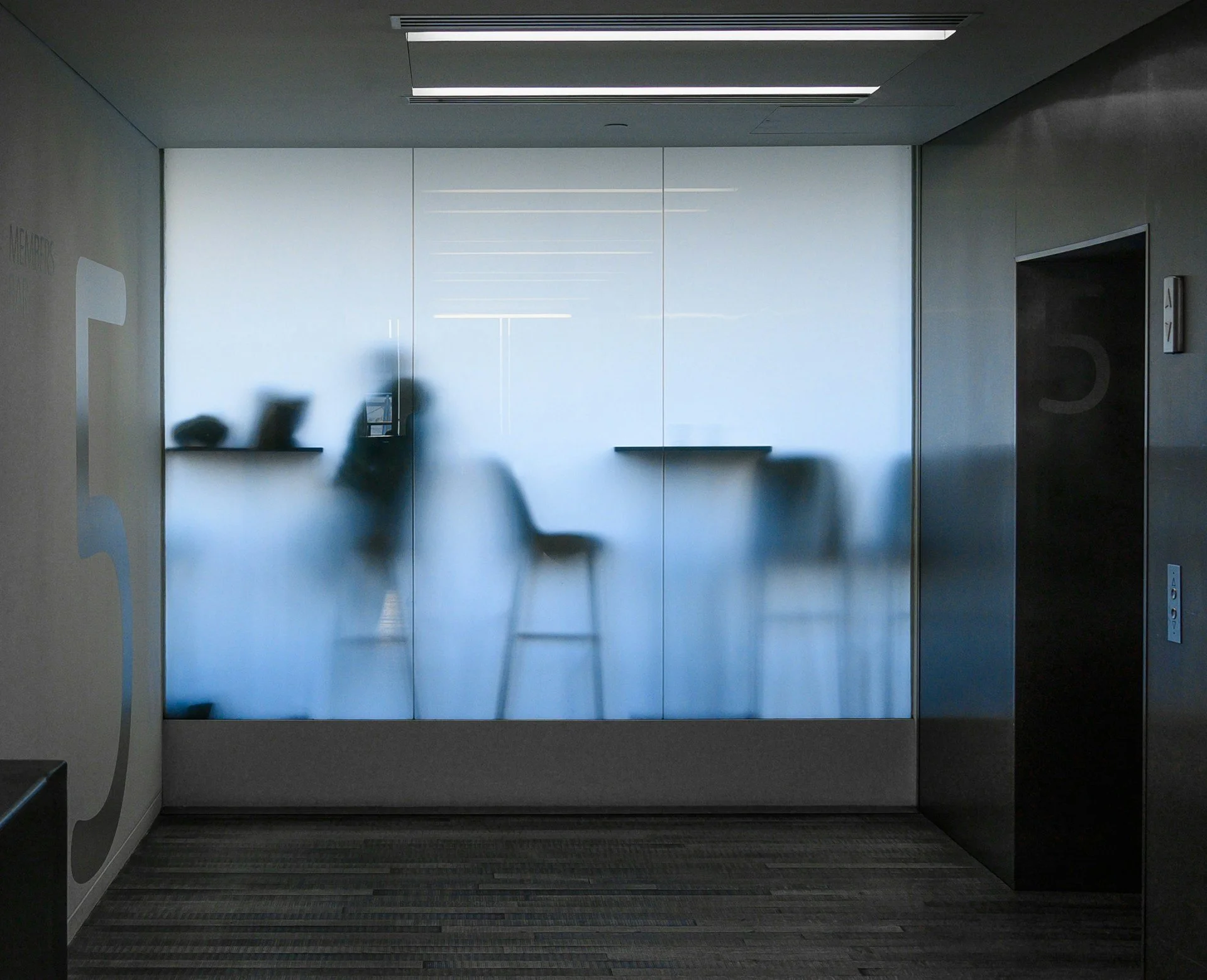
Glasshouse is built around surfaces that promise clarity and produce distortion: glass offices, polished rooms, reflected faces, late-night screens, and professional silence. The world is beautiful enough to seduce, controlled enough to suffocate, and transparent only in appearance.

Selected Excerpts
The Pitch Save
When the Calder pitch begins to slip, Adrian reframes the work in real time and proves his value to the room.
The Agency Dream
Aurelion returns from the win in full mythology mode: alive, admired, and already protecting the story it tells about itself.
The Public Crack
A celebration turns into exposure when Julian publicly minimizes Elena’s role, revealing the fracture everyone now has to interpret.
The Late-Night Seed
After the office empties, Elena recognizes the part of Adrian’s talent that makes him valuable, and vulnerable.
Full pilot and selected development materials available on request, including series architecture, character systems, institutional bibles, and episode architecture.